 https://twitter.com/home https://www.facebook.com/Shabbir.Hussain191
By Shabbir Hussain
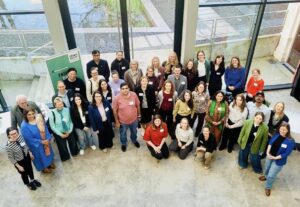
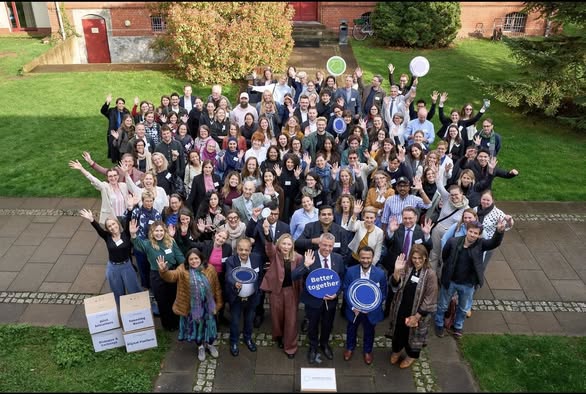
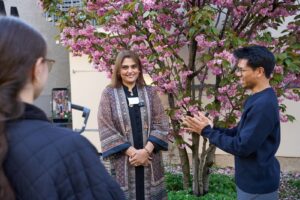
BERLIN, May 9 (Diplomatic Star): A distinguished member of the Federation of Pakistan Chambers of Commerce and Industry (FPCCI), Qurrat-ul-Ain, represented Pakistan at the official launch of the Dialogue and Impact for Sustainable Textiles (DST) in Berlin, Germany, where global stakeholders gathered to advance a shared agenda for a more sustainable, ethical, and resilient textile industry.
The high-level international initiative convened policymakers, industry leaders, development partners, and sustainability experts from across the world to strengthen cooperation on transforming global textile supply chains.

The discussions focused on key priorities including human rights compliance, environmental protection, responsible production practices, and long-term sustainability in the textile sector.
Speaking on the occasion, Qurrat-ul-Ain described her participation as both an honour and a significant opportunity to represent Pakistan on a global platform dedicated to shaping the future of sustainable textiles.
She said the engagement provided valuable insights into emerging global trends and reinforced the importance of collective responsibility in addressing industry-wide challenges.
She noted that Pakistan’s textile sector holds a central position in the national economy and has a critical role to play in global sustainability efforts.
She emphasized that FPCCI remains committed to promoting responsible business conduct, improving industrial competitiveness, and fostering stronger international partnerships to align Pakistan’s export industries with global environmental and ethical standards.
The Dialogue and Impact for Sustainable Textiles (DST) initiative is supported by Germany’s Federal Ministry for Economic Cooperation and Development and implemented in collaboration with GIZ.
The platform aims to bridge cooperation between governments, private sector actors, and civil society to address systemic challenges in textile supply chains, including labour rights violations, environmental degradation, and transparency gaps.
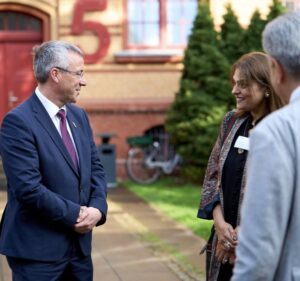
Qurrat-ul-Ain expressed appreciation to the organisers for creating a platform that brought together diverse global perspectives to collectively shape the future of the textile industry.
She said such initiatives are essential for building consensus on sustainability standards and encouraging shared solutions to complex global challenges.
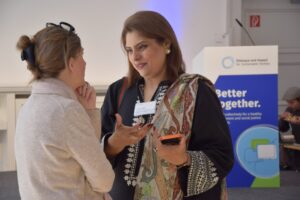
Describing the two-day forum as an enriching experience, she said the event was marked by constructive dialogue, knowledge sharing, and meaningful networking with international stakeholders. According to her, one of the most significant takeaways was the recognition that sustainable transformation cannot be achieved in isolation.
She stressed that real progress in areas such as human rights protection and environmental sustainability requires coordinated global action. “No single voice or sector can bring meaningful change alone. True impact is only possible when we move forward together,” she noted.
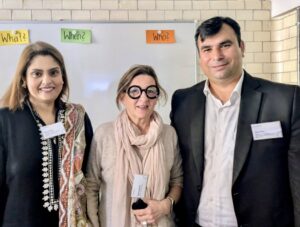
During the event, participants also engaged with senior international policymakers, including German officials Johann Saathoff and Michael Krake, who underscored the importance of international collaboration in achieving sustainability targets within the textile industry.
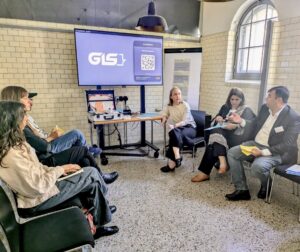
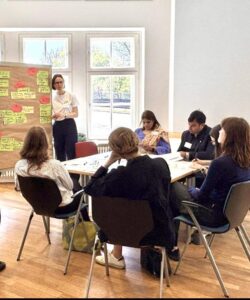
Qurrat-ul-Ain said the insights shared by global leaders were highly motivating, but what stood out most was the strong sense of unity and shared purpose among participants.
She observed that despite differing economic contexts, there was a collective commitment to improving labour standards, reducing environmental impact, and ensuring accountability across global supply chains.
She further highlighted Pakistan’s growing participation in international trade and sustainability discussions, noting that such engagements reflect the country’s intent to align its industrial sectors with evolving global expectations.
She expressed optimism about Pakistan’s textile industry, which remains one of the largest contributors to exports and employment, stating that it has strong potential to lead in responsible and sustainable production.
She added that FPCCI continues to advocate for policy frameworks that encourage sustainable industrial growth, enhance environmental compliance, and improve access to international markets.
Strengthening Pakistan’s textile sector through innovation, responsibility, and global integration, she said, will be key to long-term economic resilience.
Concluding her remarks, she reflected on the central message that emerged throughout the conference: sustainability is a shared journey.
“True strength lies in collaboration. We are more effective, more resilient, and more impactful when we work together toward a common goal,” she said.
Her participation at the Berlin forum highlights Pakistan’s increasing engagement in global sustainability dialogues and reinforces the role of its private sector in contributing to responsible international trade practices and future-oriented industrial development.