 https://twitter.com/home https://www.facebook.com/Shabbir.Hussain191
By Shabbir Hussain
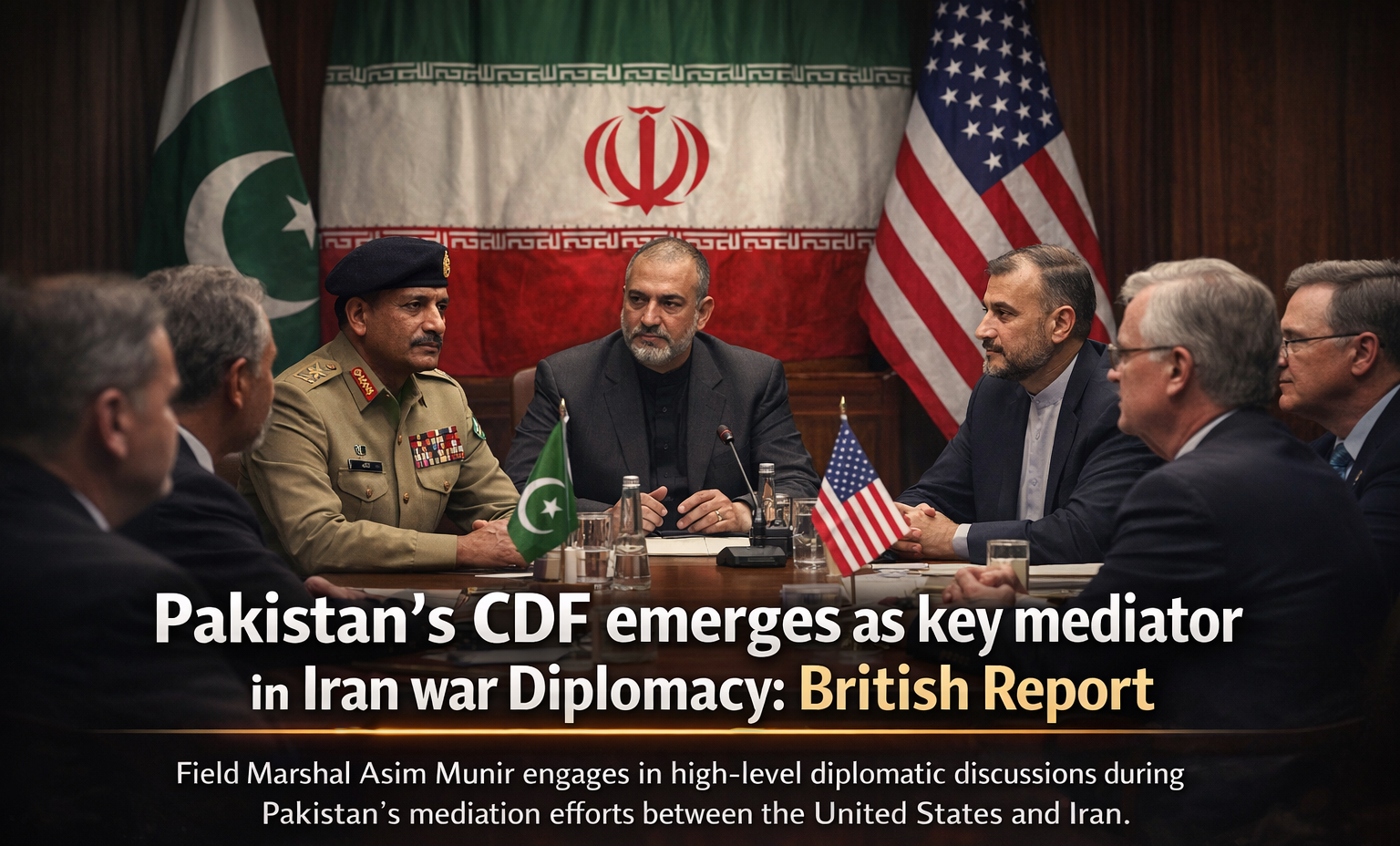
ISLAMABAD, April 18 (Diplomatic Star): Pakistan’s Chief of Army Staff (COAS) and Chief of Defence Forces (CDF) Field Marshal Syed Asim Munir, has emerged as an unexpected yet central figure in high-stakes diplomatic efforts aimed at easing tensions in the ongoing Iran conflict, according to a report published by the British newspaper The Guardian.
The report highlights Pakistan’s evolving role as a critical diplomatic bridge between the United States and Iran, particularly after the failure of prolonged negotiations led by US Vice President JD Vance in Islamabad.
The unsuccessful talks marked a turning point, creating space for Pakistan to step in more assertively, with Field Marshal Asim Munir described as the “driving force” behind renewed mediation efforts.
According to the report, Field Marshal Syed Asim Munir undertook a crucial visit to Tehran, where he held direct discussions with Iranian leadership, including the foreign minister, in what has been described as a last-ditch effort to revive stalled negotiations between Washington and Tehran.
These efforts coincided with heightened tensions in the strategically vital Strait of Hormuz, underscoring the urgency of diplomatic intervention.
Despite the collapse of earlier talks, US President Donald Trump reportedly acknowledged Pakistan’s diplomatic outreach and approved a new framework for negotiations.
Under this arrangement, Islamabad is expected to host the next round of talks, reinforcing Pakistan’s emerging position as a facilitator of dialogue in a volatile regional environment.
The report further notes that Pakistan’s role extended beyond traditional diplomacy. From Rawalpindi, the country’s military headquarters, negotiations were closely monitored, with Field Marshal Syed Asim Munir actively engaging as a third-party mediator.
Through a combination of direct contacts, backchannel communications, and sustained engagement with both sides, Pakistan worked to rebuild a minimum level of trust necessary for dialogue to resume.
This coordinated diplomatic push also involved the civilian leadership. Prime Minister Shehbaz Sharif undertook visits to key regional capitals, including Saudi Arabia, to mobilize broader support for de-escalation efforts.
Analysts say this alignment between civil and military leadership reflects a unified national strategy aimed at positioning Pakistan as a credible and neutral intermediary.
Experts attribute Munir’s effectiveness in this role to a combination of factors, including the military’s traditionally strong influence over Pakistan’s foreign policy and his personal engagement with key global capitals over the past 18 months.
Field Marshal Syed Asim Munir interactions with policymakers in Washington, Riyadh, and Tehran, along with reported visits to the White House and involvement in defence and investment initiatives, have contributed to enhancing his diplomatic credentials.
Additionally, Pakistan’s cooperation on counterterrorism measures, including the handover of militants, has further strengthened its standing with Western partners.
Observers suggest that these cumulative efforts have helped build the trust necessary for Pakistan to assume a more prominent diplomatic role.
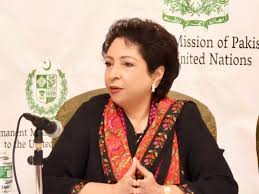
Former Pakistan’s ambassador Maleeha Lodhi termed Field Marshal Syed Asim Munir as the central figure driving the current diplomatic process.
“Without his role, this would not have been possible,” she said, adding that the Foreign Office appeared to be playing a secondary role in comparison.
However, other analysts have emphasised that the diplomatic initiative should not be viewed solely through the lens of individual leadership.
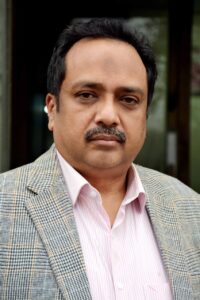
Another, International Affairs expert Mohammad Mehdi noted that while Field Marshal Syed Asim Munir has been at the forefront, the process represents a collective effort involving multiple stakeholders across both the government and the military establishment.
“This is a coordinated national effort,” Mehdi said, highlighting the contributions of various institutions working behind the scenes to facilitate dialogue.
Similarly, Professor Avinash Paliwal cautioned against attributing the success of such a wide-ranging diplomatic campaign to a single individual.
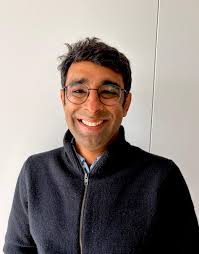
He pointed out that senior government officials had undertaken visits to countries such as Türkiye, China, and Saudi Arabia to build consensus and secure support for a negotiated outcome.
“Pakistan’s diplomatic outreach has been extensive and multi-layered,” Paliwal observed, stressing the importance of recognising the broader institutional framework within which these efforts have taken place.
The report also underscores the role of personality-driven diplomacy in shaping recent developments. Munir’s ability to engage directly with key stakeholders and navigate complex geopolitical dynamics has been cited as a critical factor in Pakistan’s emergence as a trusted intermediary.
Moreover, the gradual restoration of Pakistan’s ties with Iran, coupled with its longstanding relationships with Gulf states and the United States, has enabled Islamabad to position itself as a rare point of convergence in an otherwise polarised regional landscape.
Analysts believe that if the upcoming round of talks in Islamabad yields progress, it could significantly enhance Pakistan’s international standing as a facilitator of peace and dialogue. At the same time, it may also bolster Field Marshal Munir’s personal reputation as a key diplomatic actor on the global stage.
While challenges remain and the path to a comprehensive agreement appears uncertain, Pakistan’s proactive engagement has already altered perceptions of its role in regional diplomacy.
From a peripheral player, the country now finds itself at the centre of efforts to prevent further escalation in one of the world’s most sensitive geopolitical flashpoints.
As diplomatic channels reopen and cautious optimism emerges, all eyes will be on Islamabad to see whether this unexpected mediation effort can translate into tangible progress toward stability and peace.