 https://twitter.com/home https://www.facebook.com/Shabbir.Hussain191
By Shabbir Hussain
ISLAMABAD, April 24 (Diplomatic Star): The world will observe International Chernobyl Accident Remembrance Day on April 26, commemorating one of the worst nuclear disasters in human history — the Chernobyl disaster — and honoring the sacrifice of those who risked and, in many cases, lost their lives to prevent an even greater catastrophe.
The disaster occurred in 1986 at the Chernobyl Nuclear Power Plant, when a catastrophic explosion at Reactor Unit 4 led to the complete destruction of the reactor core.
The accident triggered massive fires and released vast quantities of radioactive materials into the atmosphere, creating a toxic cloud that spread across the former Soviet Union and beyond.
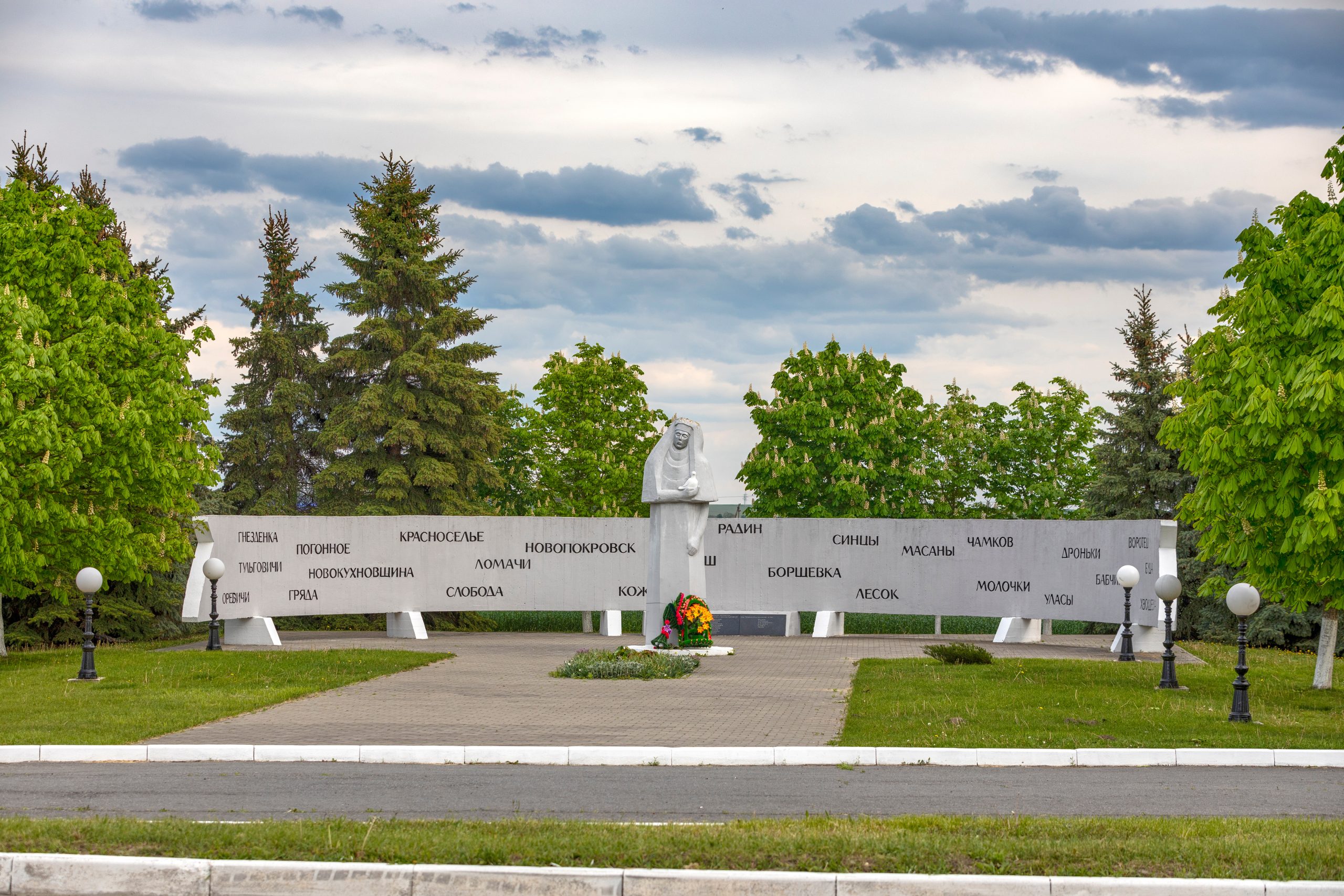
The radioactive fallout extended over large parts of Eastern Europe, including Belarus, Ukraine, and regions of Scandinavia, ultimately affecting more than 20 countries. Among the worst-hit nations, Belarus suffered extensive environmental and human consequences.
Approximately 23 percent of its territory was contaminated, with nearly 35 percent of the radioactive isotope caesium-137 — a major contributor to long-term radiation exposure — settling within its borders.
In the decades following the disaster, Belarus has undertaken a massive and sustained recovery effort. With support from international partners, the state has invested over $20 billion since 1996 to mitigate the effects of the catastrophe.
These efforts have included emergency protective measures, resettlement programs, environmental monitoring, and long-term rehabilitation of affected regions.
Significant progress has been achieved over time. The country has gradually transitioned from immediate crisis response to long-term recovery and revival of contaminated areas.
Scientific data indicates that over nearly four decades, the extent of land contaminated with caesium-137 in Belarus has been reduced by almost half due to natural decay and remediation efforts.
Experts estimate that by 2030 to 2040, the majority of Belarusian settlements will no longer fall within zones of radioactive contamination.
However, complete recovery remains a long-term challenge. According to scientific projections, the final settlement in Belarus is expected to be fully free from radioactive contamination by around 2090.
International Chernobyl Accident Remembrance Day serves not only as a tribute to the courage and sacrifice of emergency workers, scientists, and ordinary citizens, but also as a reminder of the enduring consequences of nuclear accidents.
The day underscores the importance of nuclear safety, environmental responsibility, and global cooperation in preventing similar disasters in the future.
As the world reflects on the legacy of Chernobyl, the lessons learned continue to shape international nuclear policies and disaster response mechanisms, reinforcing the need for vigilance in the use of nuclear technology.